

FLAAK (keratopigmentation)
in Paris

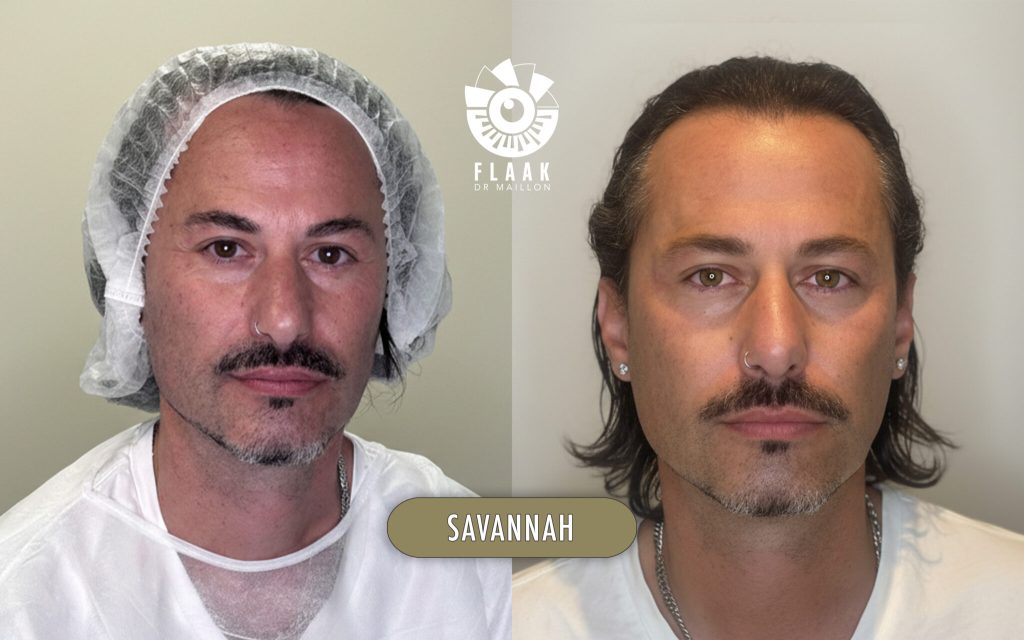
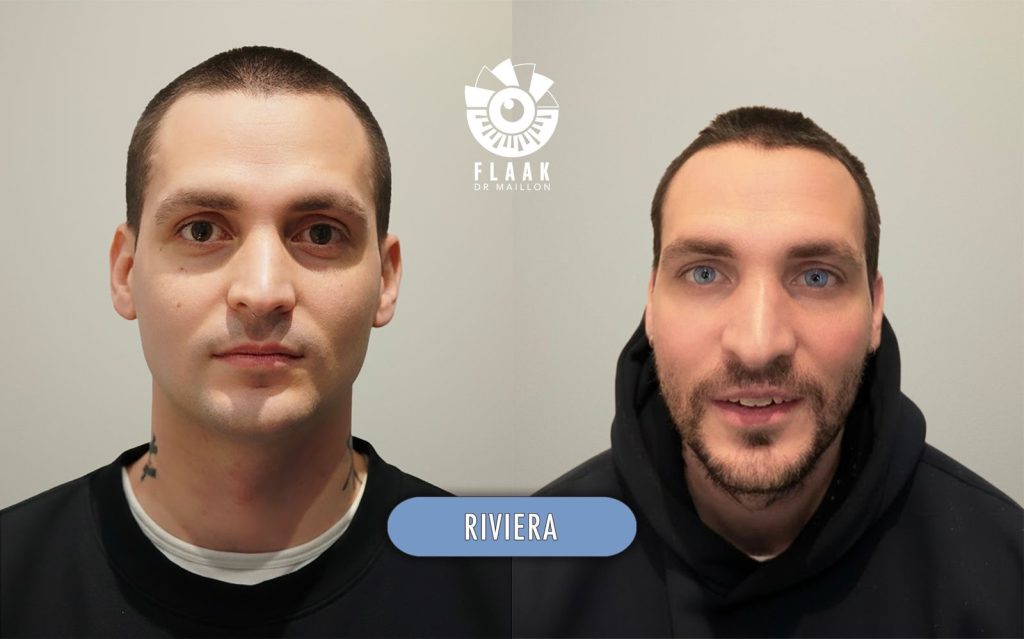
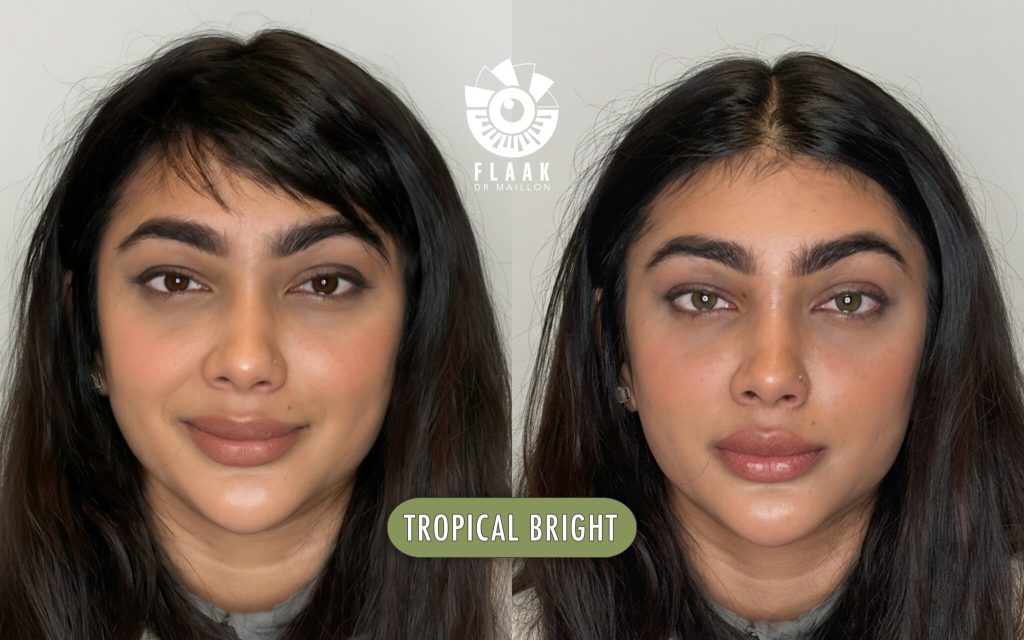
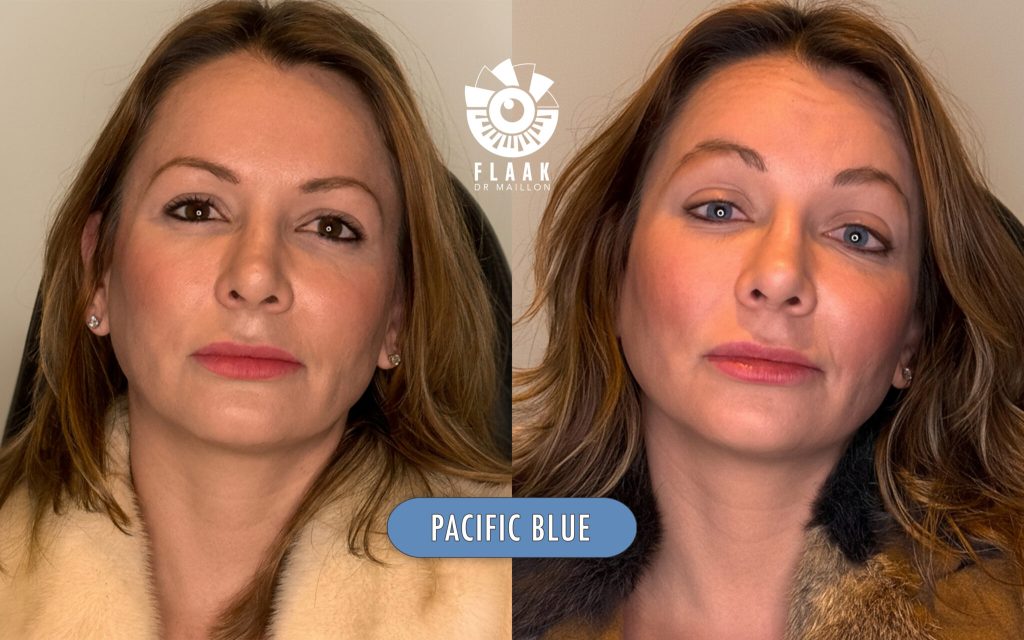
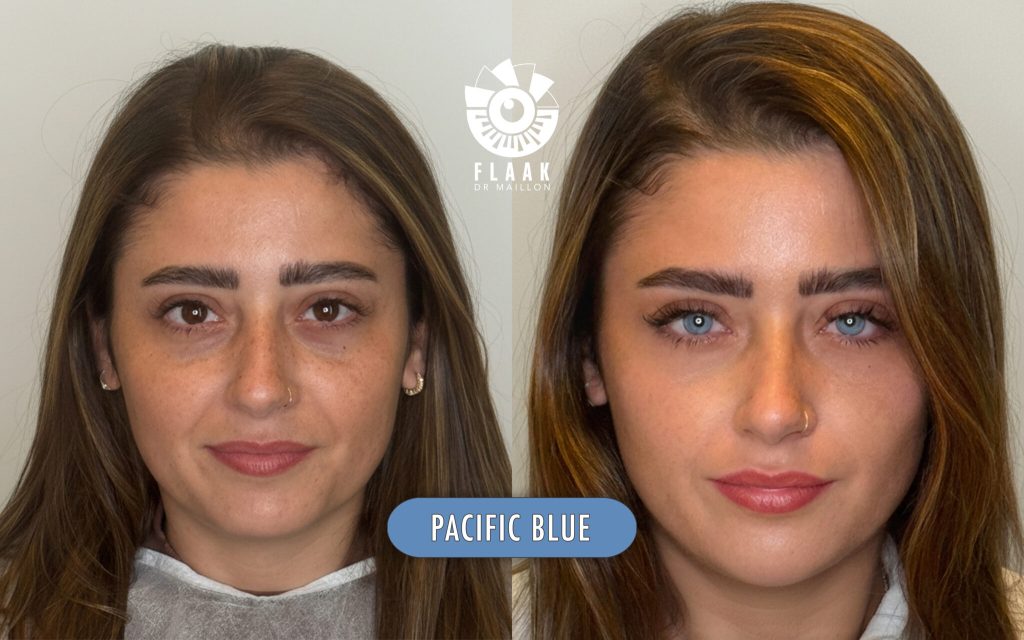
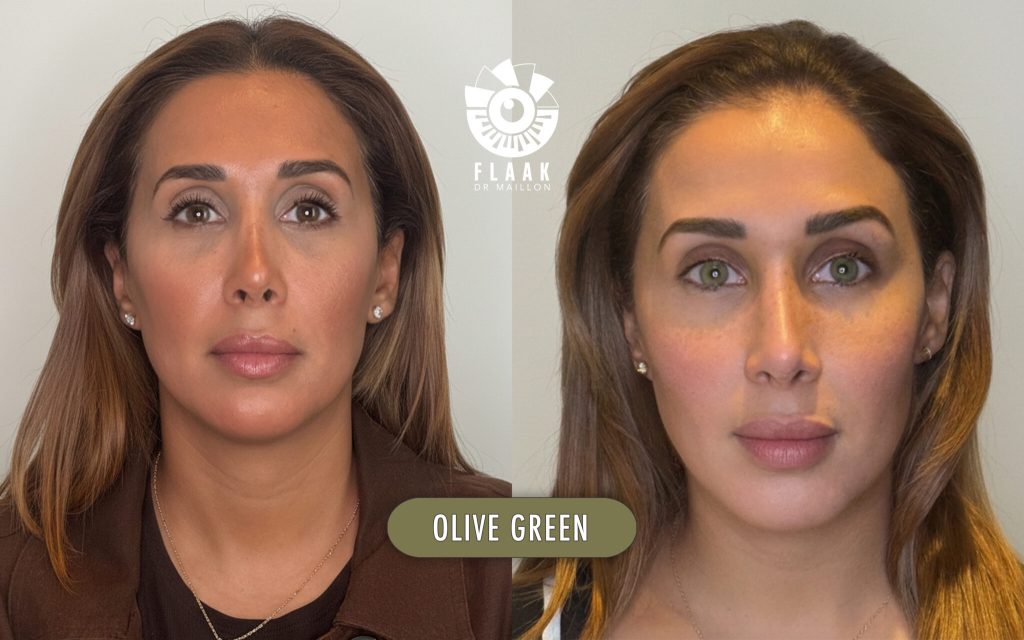
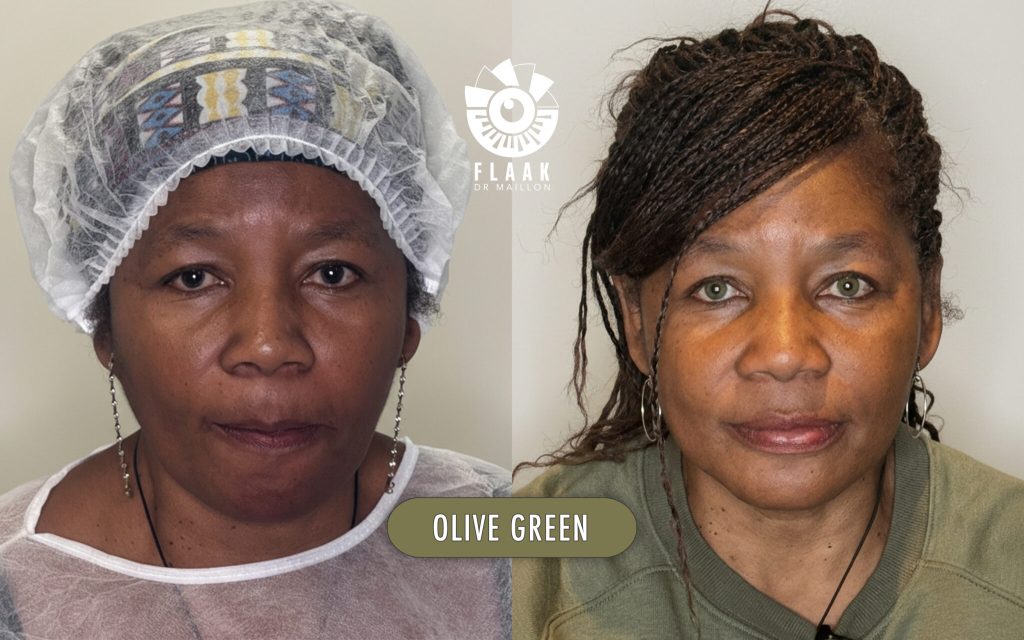
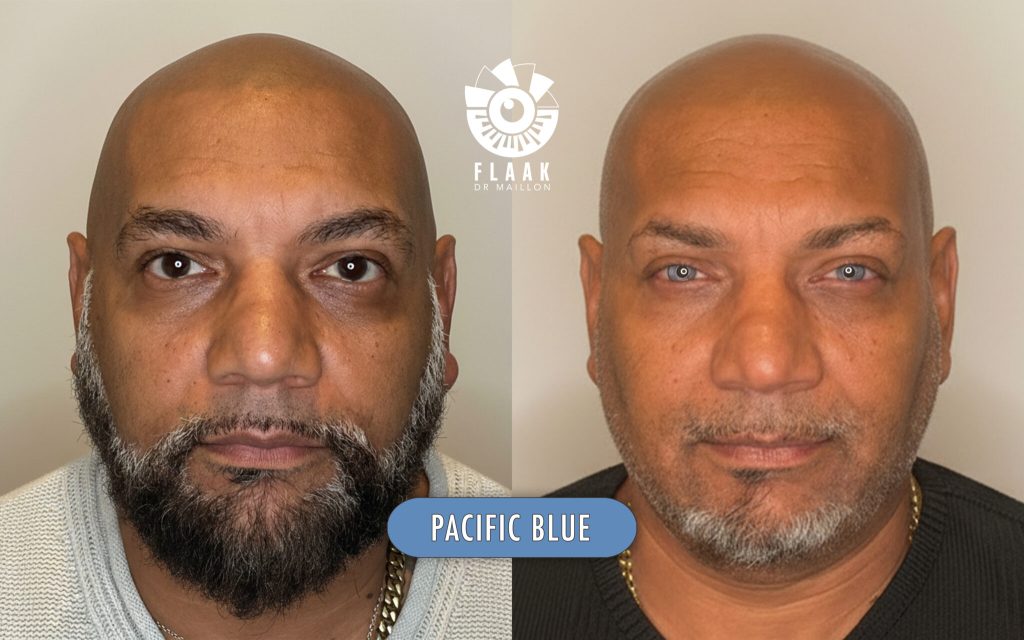
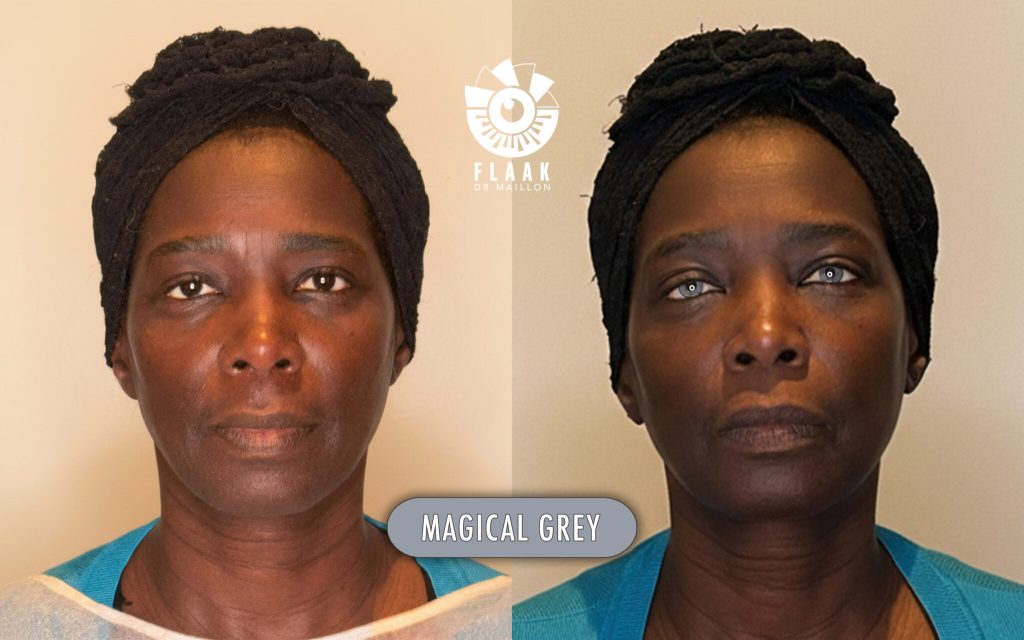
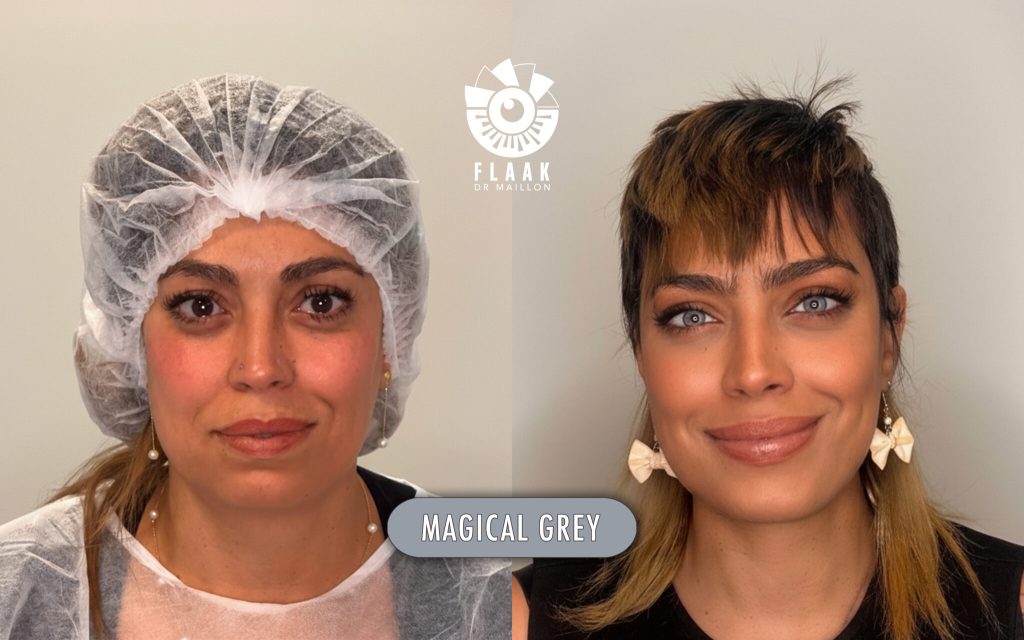
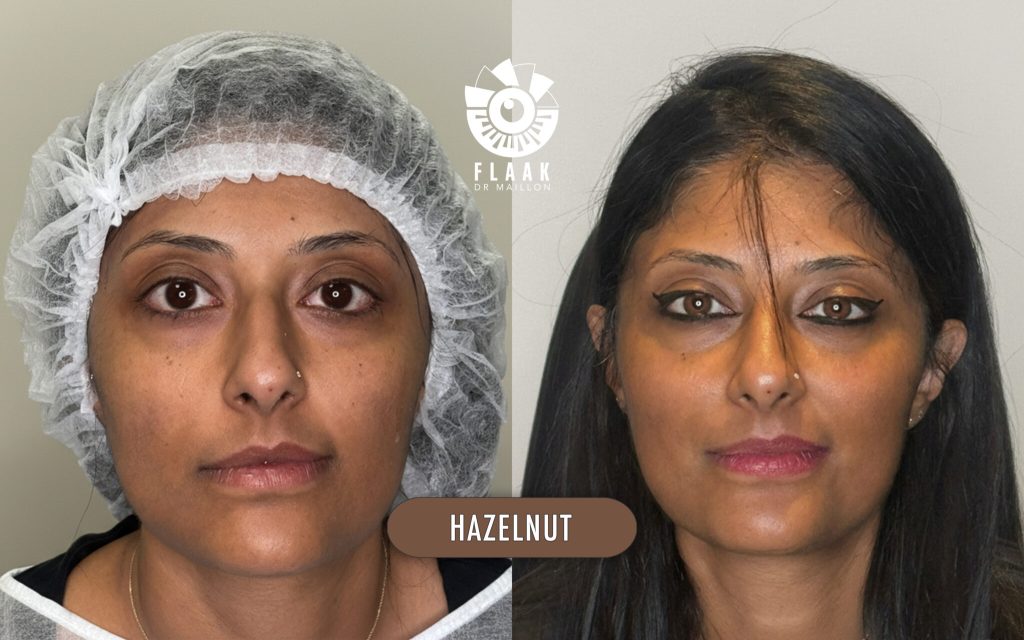
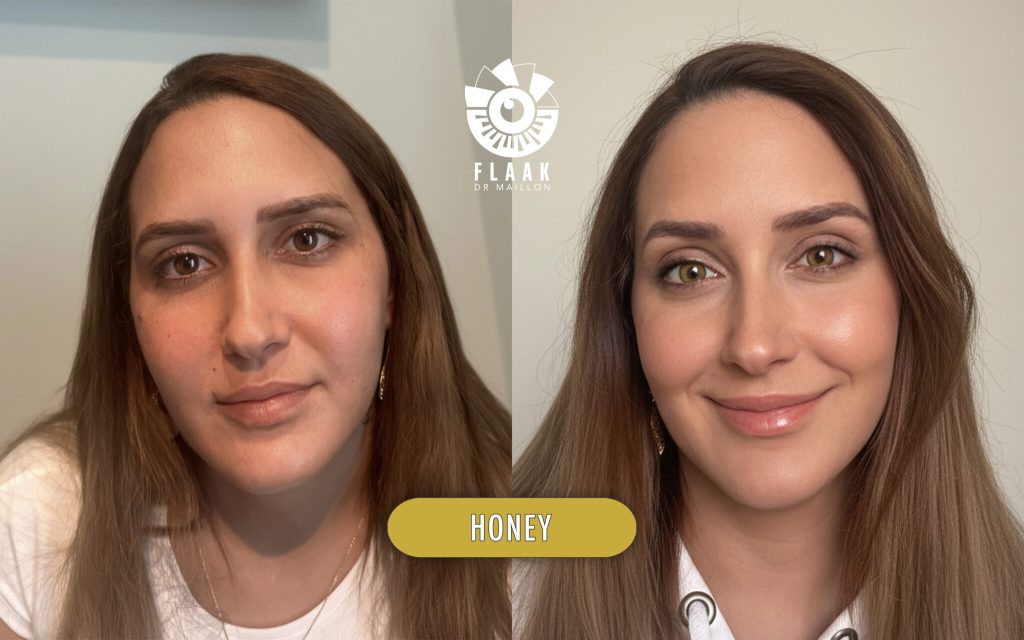
They changed their outlook thanks to keratopigmentation.

Portrait regard jade FLAAK

Express your uniqueness through your eyes

With the FLAAK® method practiced by Dr. Cyril Maillon, your eyes become a reflection of your identity. A color chosen, embraced, and revealed in just a few moments.

  • Choose from exclusive shades: Jade, Sahara, Honey, Pacific...
  • Color simulation before the procedure
  • Natural and immediately visible results
  • Aesthetic and personalized approach
I deserve a new look
Portrait sourire opération FLAAK

A quick, gentle, and safe procedure

FLAAK® keratopigmentation is performed in just a few minutes under local anesthesia, in a strictly medical setting. It is designed to ensure comfort, peace of mind, and effectiveness.

  • Latest generation femtosecond laser
  • Painless procedure, under simple local anesthesia
  • No hospitalization or social exclusion
  • Performed exclusively in Paris by Dr. Maillon

I deserve a new look
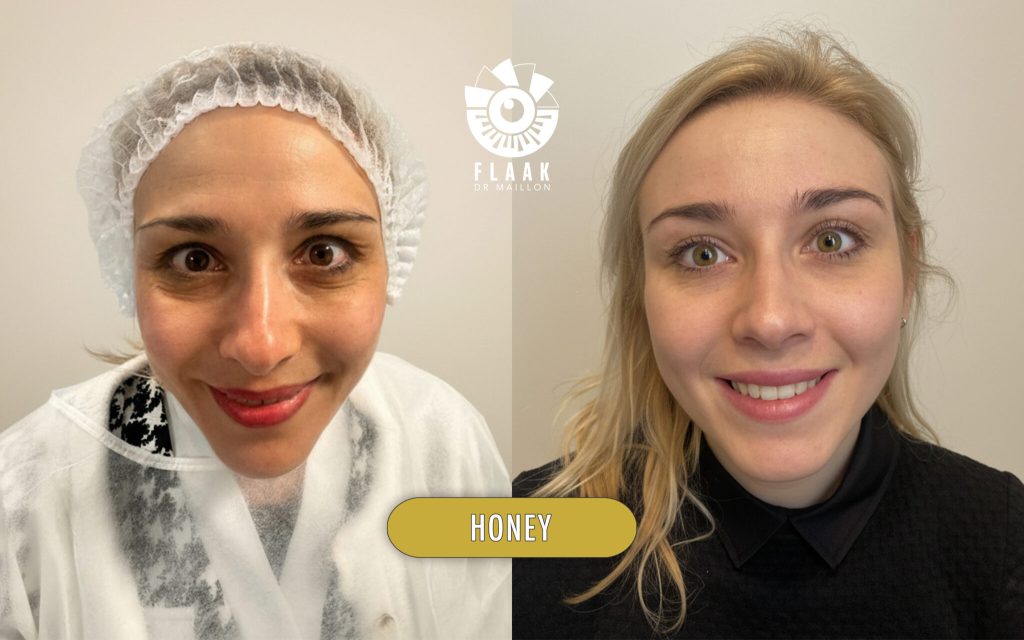
Portrait regard miel résultat FLAAK

Visible results immediately after the procedure

Your eyes will look different as soon as the procedure is over. The results are stable, long-lasting, and blend naturally with your iris, with no recovery time required.

  • 100% biocompatible pigments, CE certified
  • Immediate results that blend perfectly with the cornea
  • Natural appearance, tailored to your skin type
  • Personalized medical follow-up included
I deserve a new look

FLAAK (Keratopigmentation)

Dr Cyril Maillon

In a world where personal expression is increasingly celebrated, the appeal of changing eye color has captured the imagination of many. Enter keratopigmentation, a revolutionary cosmetic procedure that offers a safe and effective way to achieve vibrant, long-lasting eye color.

Known as FLAAK (Femto Laser-Assisted Aesthetic annular Keratopigmentation), this innovative technique involves injecting biocompatible pigments into the cornea, allowing individuals to transform their look without the risks associated with traditional methods such as colored contact lenses or surgical alterations. Thanks to its minimally invasive approach, keratopigmentation not only improves aesthetics but also prioritizes eye health, making it an attractive option for those seeking a new look.

As the procedure gains popularity, it raises important questions about the intersection of beauty, safety, and self-identity, inviting individuals to explore the possibilities of self-expression through their most captivating feature: their eyes.
“The eyes are the mirror of the soul.” CICERO

FLAAK (keratopigmentation) in Paris

Doctor CYRIL Maillon

Performed in PARIS by Dr. MAILLON at the Lamartin Clinic, FLAAK (keratopigmentation) has become the leading technique for eye color changes. Initially used for therapeutic purposes, FLAAK (keratopigmentation)was developed in the 2000s as part of the gaze reconstruction and traumatic irises.  

The safety of the biocompatible pigment with the cornea, the quality of the results obtained, and patient satisfaction have led to the technique being extended to aesthetic indications since 2010.

Its safety has now been proven: no serious complications have occurred to date in more than 1,000 patients who have undergone surgery.

Dr Cyril Maillon

FLAAK (kératopigmentation) à Paris

Founder and partner of Point Vision Paris, Dr. Cyril Maillon is a highly experienced surgeon, specialized in refractive surgery techniques and the use of the latest-generation femtosecond lasers.

In 2013, he became the youngest French surgeon to perform a SMILE procedure.

Since then, with more than 1,000 patients operated on, he has mastered the use of the VISUMAX laser, the same technology employed in FLAAK (corneal keratopigmentation).

Together with Dr. Ferrari, he began developing and refining the FLAAK corneal technique, continuously perfecting the surgical approach alongside him. Today, Dr. Maillon is recognized as one of the leading experts in FLAAK (keratopigmentation), internationally acclaimed and trusted by patients from all over the world.

eye color change in paris

Operating principles

The surgical procedure involves injecting a pigment into the cornea to mask the eye’s natural color provided by the iris.

First, a tunnel will be created using the Visumax laser through the cornea, leaving the pupillary area and the central 5 mm intact.

Second, the pigment will be evenly distributed within this space, giving the eye its new color.

Why chooseFLAAK (keratopigmentation) ? Other techniques are of little use. Colored contact lenses: often uncomfortable, require daily insertion and removal, and require maintenance, and the results are often unnatural. Laser depigmentation, which is not very effective, requires numerous sessions and often produces mediocre results that are only visible in bright light. Intraocular iris implants: very dangerous, can cause blindness by causing ocular hypertension (glaucoma) and irreversible corneal damage.

Simulez votre nouveau regard

Changer la couleurs de ses yeux

FLAAK (keratopigmentation) and refractive surgery

Change your eye color in UK

Changing eye color and surgically correcting vision is entirely possible. The diversity of refractive surgery techniques makes it possible to consider vision correction (laser or implants) after undergoing FLAAK (keratopigmentation).


For patients who have already undergone refractive surgery:


FLAAK (keratopigmentation) surgery is generally possible after surface refractive surgery (such as PRK) or intraocular lens implants.

If the patient has undergone LASIK or SMILE, the procedure is generally contraindicated, as the results remain more uncertain.


For patients seeking refractive surgery:


Depending on the visual defect, the surgeon selects the most appropriate surgical technique (laser or implants). Vision correction, regardless of the technique, will be performed at least 3 months after FLAAK (keratopigmentation).

In practice, for patients seeking myopia surgery, it is preferable to first perform FLAAK (keratopigmentation) and then 3 months later, vision correction with refractive surgery.