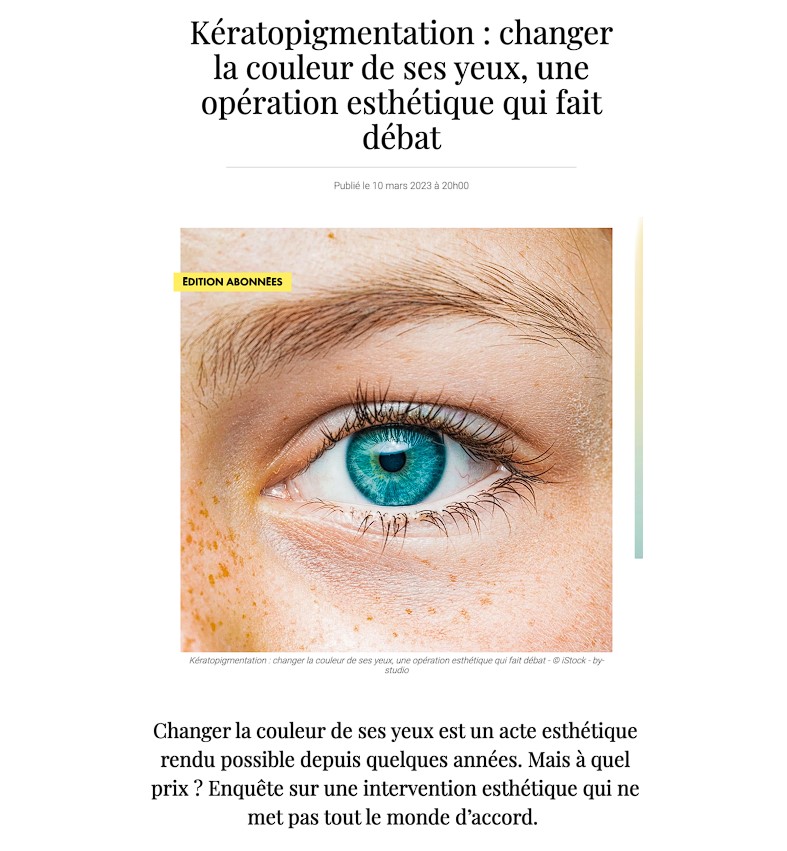
FLAAK (keratopigmentation)
FLAAK (keratopigmentation) in Paris
Initially used for therapeutic purposes, FLAAK (keratopigmentation) was developed in the 2000s for eye reconstruction and traumatic irises.
The safety of the pigment, which is biocompatible with the cornea, the quality of the results obtained, and patient satisfaction have led to the technique’s expansion to cosmetic indications since 2010.
Its safety has now been proven: in more than 1,000 patients who have undergone surgery, no serious complications have occurred to date.
How much does theFLAAK (keratopigmentation)bilateral corneal?
7000 euros including tax. Download quote
FLAAK (keratopigmentation)
FLAAK (keratopigmentation) in Paris
A corneal elevation topography allows for a precise 3D analysis of the shape and thickness of the cornea.
A specular analysis of the cornea to precisely quantify the number of endothelial cells.
A preoperative simulation may be performed with an image consultant to allow the patient to choose their color with the greatest precision.
The interview with the surgeon will explain to the patient in detail all the ins and outs of the procedure.
At the end of the consultation, a written consent form explaining the ins and outs of the procedure will be given to the patient and must be returned signed before the procedure.
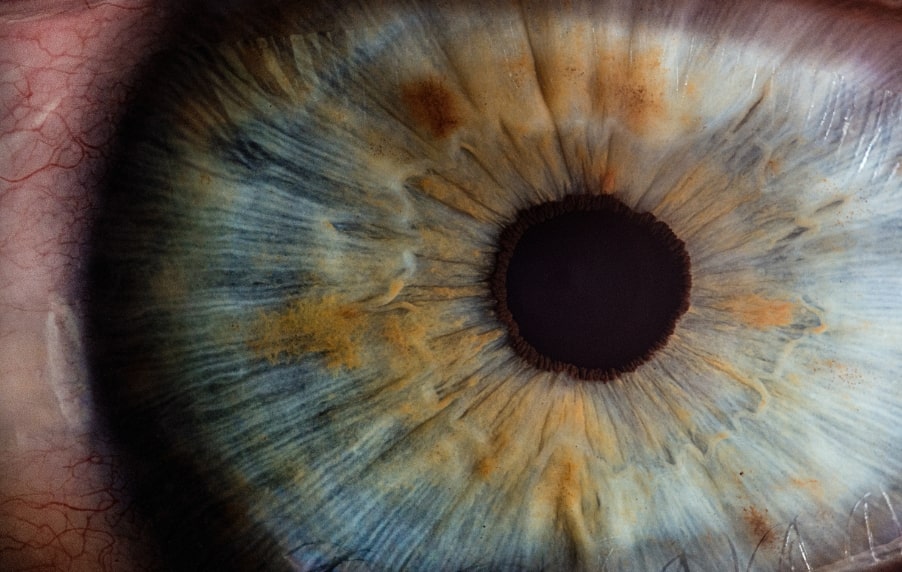
Dr. Cyril Maillon
FLAAK (keratopigmentation) in Paris
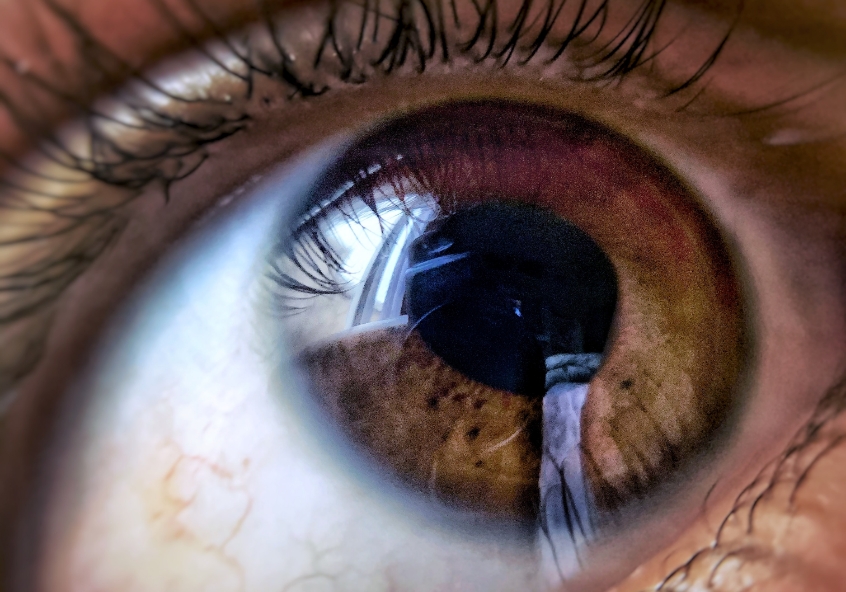
Even though the new color is visible immediately after the procedure, it is not the definitive color or intensity; the final result is only achieved after a few weeks or about a month.
During this period, a natural resorption process creates a « patina » effect on the pigment, making the result less artificial. The FLAAK (keratopigmentation) result thus becomes increasingly natural over time.
In some cases, the intensity or color of the pigment may fade over time.
This resorption is natural and can be exacerbated by various factors: sun exposure without protective eyewear and a lifestyle that can aggravate the effect.
A touch-up is then possible to restore the initial radiance of the FLAAK (keratopigmentation).
If necessary, a touch-up can be performed; however, it is not recommended to perform more than three touch-ups.
Duration: 30 to 45 minutes for both eyes (in the same session). Type of anesthesia: The operation is performed under local (topical) anesthesia by instilling anesthetic eye drops. The procedure is therefore completely painless. Premedication with LEXOMIL 30 minutes beforehand is strongly recommended to reduce the harmful effects of stress during the procedure.
Operative Technique: FLAAK® (Femto Laser Aesthetic Annular Keratopigmentation) involves two steps: creating a microtunnel in the cornea using the VisuMax femtosecond laser (Zeiss), the only femtosecond laser capable of performing 100% laser keratopigmentation, leaving the pupillary area and the central 5 mm intact.
Introduction of the dye into the tunnel, which will mask the natural color of the iris.
The surgeon introduces the NEORIS pigment as evenly as possible into the tunnel. The pigment is distributed evenly by the surgeon until the desired effect is achieved. On the periphery, as found in a natural eye, a darker perimbal ring of varying thickness is intentionally left without pigment to provide greater contrast to your gaze.
Immediate Post-Operative: Upon leaving the operating room, the patient can assess the results with the help of a mirror. This moment is often emotionally charged for patients, who immediately experience intense joy at the sight of the results.
Post-Operative Follow-Up: A mandatory initial follow-up appointment takes place the morning after the procedure.
A second mandatory follow-up at 3 months allows the final results to be assessed. Eye drops are prescribed, including an antibiotic/anti-inflammatory for 15 days and moisturizing eye drops for 30 days.
Dr. Cyril Maillon
FLAAK (kératopigmentation) à Paris
The laser used
The laser is the same as the one used for myopia correction, namely the femtosecond laser.
This type of laser revolutionized refractive surgery in the 2000s by providing increased safety and precision for femto-lasik and smile correction.
Each year, several million patients worldwide benefit from this technology to safely correct their refractive error.
For FLAAK (keratopigmentation), the laser creates a micro-tunnel within which the pigment is distributed.
This « tunneling » technique has been used since 2004 in keratoconus surgery (a corneal disease) and the placement of intracorneal rings in the tunnel.
Of all the femtosecond lasers, only the The VisuMax femtosecond laser from German manufacturer Zeiss allows for the creation of a microtunnel and its two access points in a 100% automated manner to introduce the pigment.
The automation of laser incisions and the absence of the need for manual scalpel incisions required by other femtosecond lasers
Dr Cyril Maillon
FLAAK (keratopigmentation) in Paris
CornealFLAAK (keratopigmentation) includes:
The first involves creating a femtosecond laser microtunnel on the periphery of the cornea, respecting the central pupillary zone.
Then, in a second step, the space created in the cornea will be dissected, and the surgeon will apply the pigment evenly, like a painter with a brush, until the desired color is achieved.
A painless and quick operation
The procedure is performed under local anesthesia (eye drops) and lasts less than an hour.
The procedure does not require entry into the eye and is performed on the « surface » within the thickness of the cornea.
Using the VISUMAX femtosecond laser, the only laser to date that meets the specifications for this procedure.
The use of dyes made in France and well-tolerated, having undergone multiple certification procedures.
A precise and reproducible surgical technique with simple steps and instruments.
Today, a thousand patients have successfully undergone this procedure without any serious complications.
Surgical touch-up is possible
Today, it is already possible to enhance or reduce the intensity of the initially chosen color. This is called touch-up.
Soon, it will be possible to restore one’s natural color; the operation will then be reversible.
FLAAK (keratopigmentation)
Doctor Maillon's article